
It’s four a.m. on a Tuesday morning in April 1989, and I know it’s inevitable. I can feel it. It won’t be long now.
This happens about every four to six months. I wake up nauseated and spend the morning throwing up. I’m sure it’s from stress and a terrible diet. It’s practically routine by now.
But this feels different.
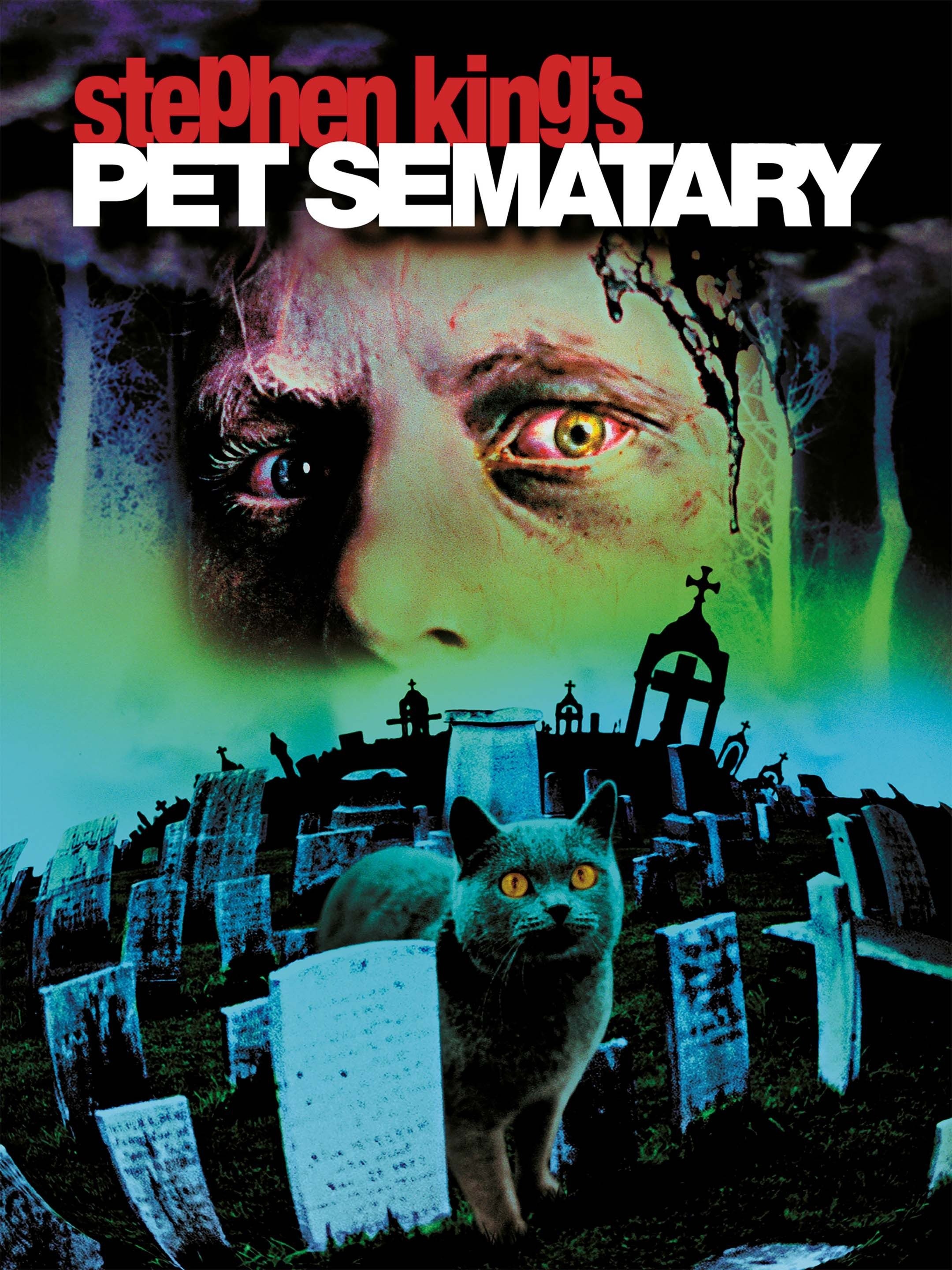
Last night, I went to the movies with two co-workers. We’re all big Stephen King fans, and Pet Sematary had just come out. Before heading out, I scarfed down leftover chicken fajitas from Sunday’s dinner at my parents’ house, grabbed contraband boxes of Jujyfruits and Milk Duds, and met my friends at the theater.
Pet Sematary was the only Stephen King book that ever scared me enough to sleep with the lights on. I was 24 when I read it, and it still got me. I was anxious to see if the movie lived up to the book.
It didn’t. Not even close. It wasn’t scary—except for Zelda, the sister with meningitis, who was terrifying. When the movie ended, I went home, grabbed a snack, and crashed. No nightmares. The real nightmare was waiting for me.

Zelda
The clock says 04:15. I’m salivating profusely. It won’t be long now. By 04:20, I’m in the bathroom, heaving.
If this episode goes like all the others, I’ll need to drag myself out of bed, drive to work, check in at sick call, and get the Navy doctor’s permission to go home. That’s Navy policy: prove you’re sick before you can stay home. Years later, in my first civilian job, I realized how nice it was to just call in sick.
The short drive to work is a series of pull-overs to vomit on the side of the road. By the time I get to medical, I’m sure I’ve got nothing left, but my stomach hasn’t gotten the memo. The doctor sends me home.
Day one is a blur of sprinting between the bed and bathroom. My throat is raw, my abs ache like I’ve done a thousand sit-ups, and the purge won’t stop.
Day two is no better. The doctor thinks it’s food poisoning. Probably the fajitas, left out too long at my parents’ picnic table. Thankfully, I’m the only one who ate the leftovers.
By day three, I’m dehydrated, gray-skinned, and completely spent. They send me home again. That night, I finally start feeling human again—starving, but human.
The unplanned cleanse drops my weight significantly, which isn’t bad considering I’m pushing 235 pounds. My uniforms might finally fit again.
A week later, I’m back to normal and somehow not traumatized by fajitas. But I can tell you this: food poisoning is the worst non-fatal illness you can get. I’ve never had it again and never want to. I now read expiration dates religiously and probably toss more good food than bad. If you haven’t had food poisoning, trust me—you don’t want to relate.
You’ve probably noticed my recent writing has been reflective—painfully personal. After I published my story on Dobson parenting, a friend texted me, concerned and probably a little offended. I didn’t reply right away. I didn’t want to get caught up in emotion. I’ve seen lifelong friendships implode over politics and religion, and I’m not eager to add to that list.
Thinking about it later, that post was a lot like this food poisoning episode. A violent purge your body initiates because it’s trying to save you. That’s what it felt like emotionally. You drink too much alcohol, your body makes you throw up to protect you. I’ve lived long enough to experience that firsthand—don’t ask me how.
When I told my friend that, he understood. I appreciate that. He gets it. And he gets me too, probably not as much as he thinks he does, but he might be close.
These past few years have been tough. I’ve had to face childhood trauma while caring for the same aging parents who caused much of it. There’s anger, bitterness, and grief. Therapy is helping, but so is writing.
I see these stories as an emotional cleanse. Dragging ugly memories out into the open, confronting them, purging them. It’s not easy. It’s never easy. But writing them down—raw language, profanity and all—feels like healing. Like vomiting up the poison.
The good news? I feel like I’m at the end of Day Three of the Post-Pet-Sematary–Chicken-Fajita-Cleanse.Lighter. Stronger. More energized. Hopefully, that will show in the stories I write next.
It’s a journey, and I’m still on it. If you’re on it too, stick with it. Follow my footsteps if you like; I’m probably a little ahead of you. I’m also way behind some of you, and I welcome advice from anyone who’s further along. There’s strength in numbers, and I’m grateful to be counted among you.